Haltech ECU install cost in 2026 isn't a flat number — Haltech doesn't publish a fitted price, and no two installs cost the same once you factor in the harness, the crank trigger setup and how much dyno time the tune needs. A plug-and-play harness on a factory-supported platform installs faster and cheaper than a fully custom loom built from flying leads. The ECU itself is usually the smallest line item; wiring, sensors and tuning time are what actually move the total.
- Haltech ECU install cost depends on harness type, crank trigger kit and dyno tuning time, not a fixed fee.
- Plug-and-play harnesses cut labour hours compared with a custom loom built from flying leads.
- The ECU purchase price is only one part of the total — wiring and tuning usually cost more.
- Crank trigger kit compatibility is a common source of unplanned install cost on older platforms.
- Dyno tuning after the ECU is fitted is typically quoted separately from the install itself.
Why this matters
A Haltech ECU is a major purchase in any engine management upgrade, and the install is where budgets blow out if the harness and tuning work aren't scoped properly before the ECU arrives. Builders comparing the Haltech Elite and Sprint series specs often assume the ECU price is the whole story — it isn't. Channel count, input/output requirements and whether the loom is plug-and-play or custom-built all shift the labour side of the job, and that's usually where the real cost sits.
Spool Imports distributes Haltech ECUs, harnesses and crank trigger kits to workshops and DIY builders across Australia, and the technical questions that come through are almost always about wiring and tuning scope, not the ECU sticker price.
How much does it cost to install a Haltech ECU?
There's no published flat rate for a Haltech ECU install in 2026 because the job scope varies too much between platforms. What you can control is which cost drivers apply to your build:
| Cost component | What drives it | Relative impact |
|---|---|---|
| ECU hardware | Model and channel count (Elite vs Sprint series) | Fixed once selected |
| Wiring harness | Plug-and-play vs custom flying leads | High — largest labour variable |
| Crank/cam trigger kit | Compatibility with factory or aftermarket reluctor | Medium — can require machining |
| Sensors and auxiliary inputs | Wideband, boost control, CAN devices wired in | Medium — scales with feature use |
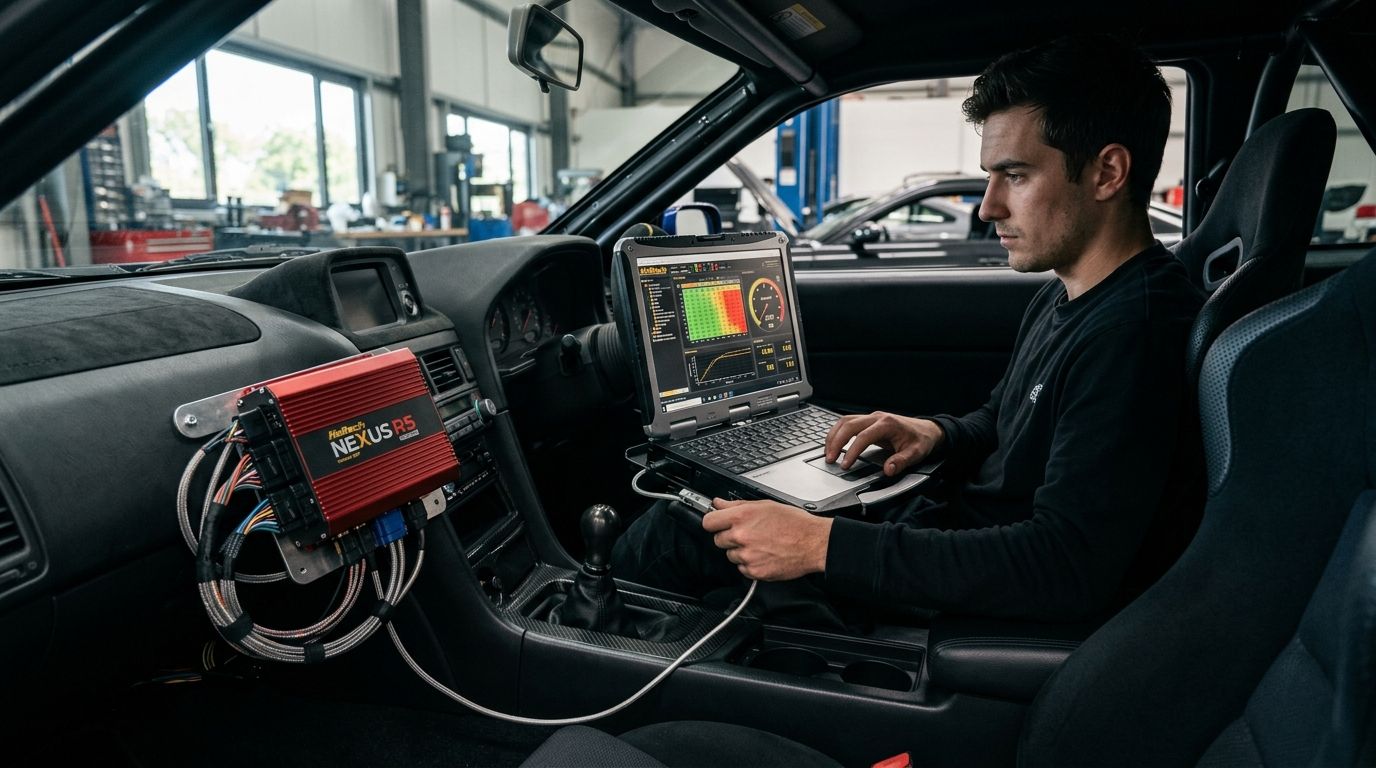
| Dyno tuning | Base map vs full load/boost table calibration | High — usually quoted separately |
The ECU hardware cost is fixed once you've picked a model. Everything else in that table is where an installer's quote will differ from another installer's quote on the same platform.
Plug-and-play harness vs custom flying lead loom
Most of the variation in Haltech ECU install cost comes down to this single decision.
| Harness type | Best for | Install time impact | Verdict |
|---|---|---|---|
| Plug-and-play harness | Factory-supported platforms with an existing Haltech loom | Lower — connectors match factory plugs | Buy for supported platforms |
| Custom flying lead loom | Engine swaps, race cars, non-standard wiring | Higher — every wire is run and terminated by hand | Hold unless no plug-and-play option exists |
A plug-and-play harness on a supported platform is the lower-labour option every time it's available. Choosing a custom loom when a plug-and-play harness exists just adds install hours for no functional gain.
“There's no flat rate for a Haltech ECU install — the harness and tuning time set the price, not the ECU itself.”
Why Haltech ECU install cost varies
- ECU model selected — Elite and Sprint series ECUs differ in channel count and I/O, which affects how much needs to be wired versus left unused.
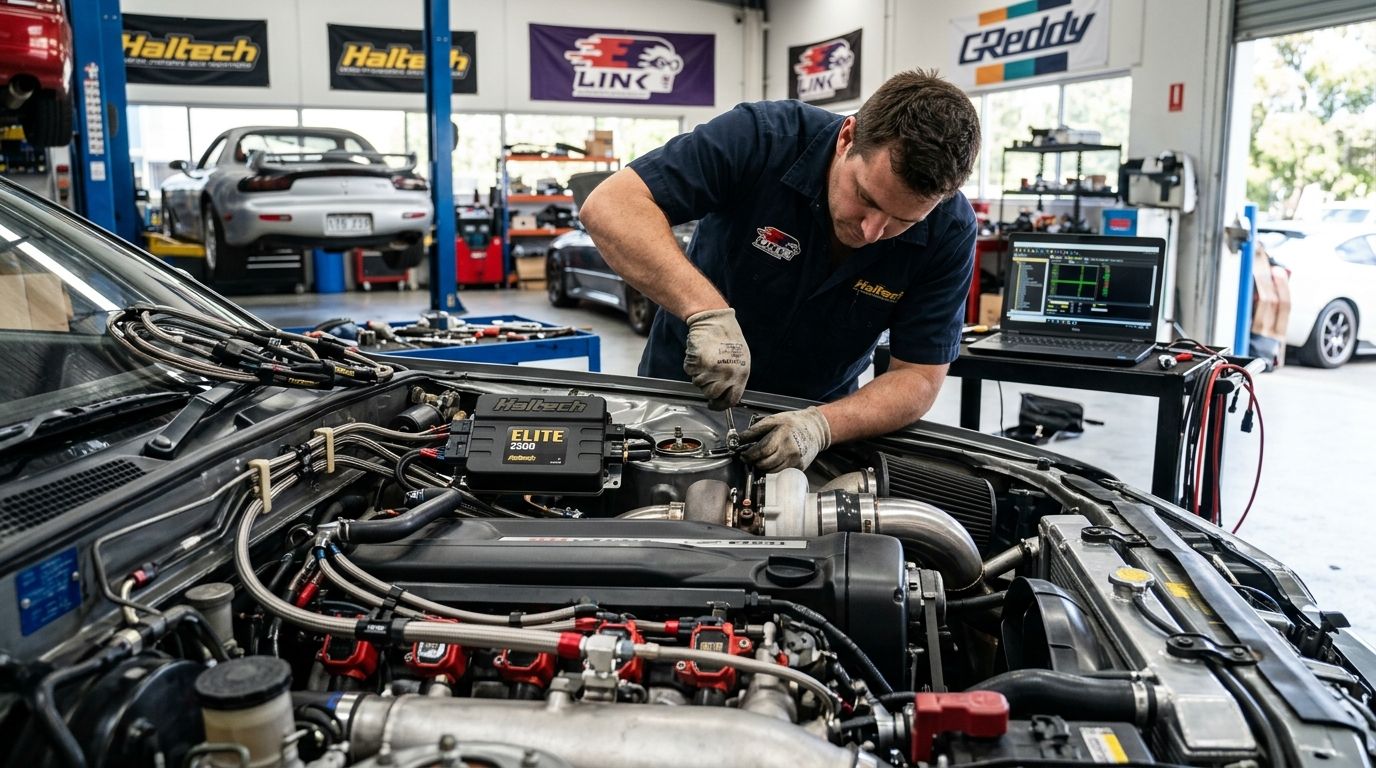
- Harness type — a factory plug-and-play loom installs with far less labour than a hand-built flying lead harness.
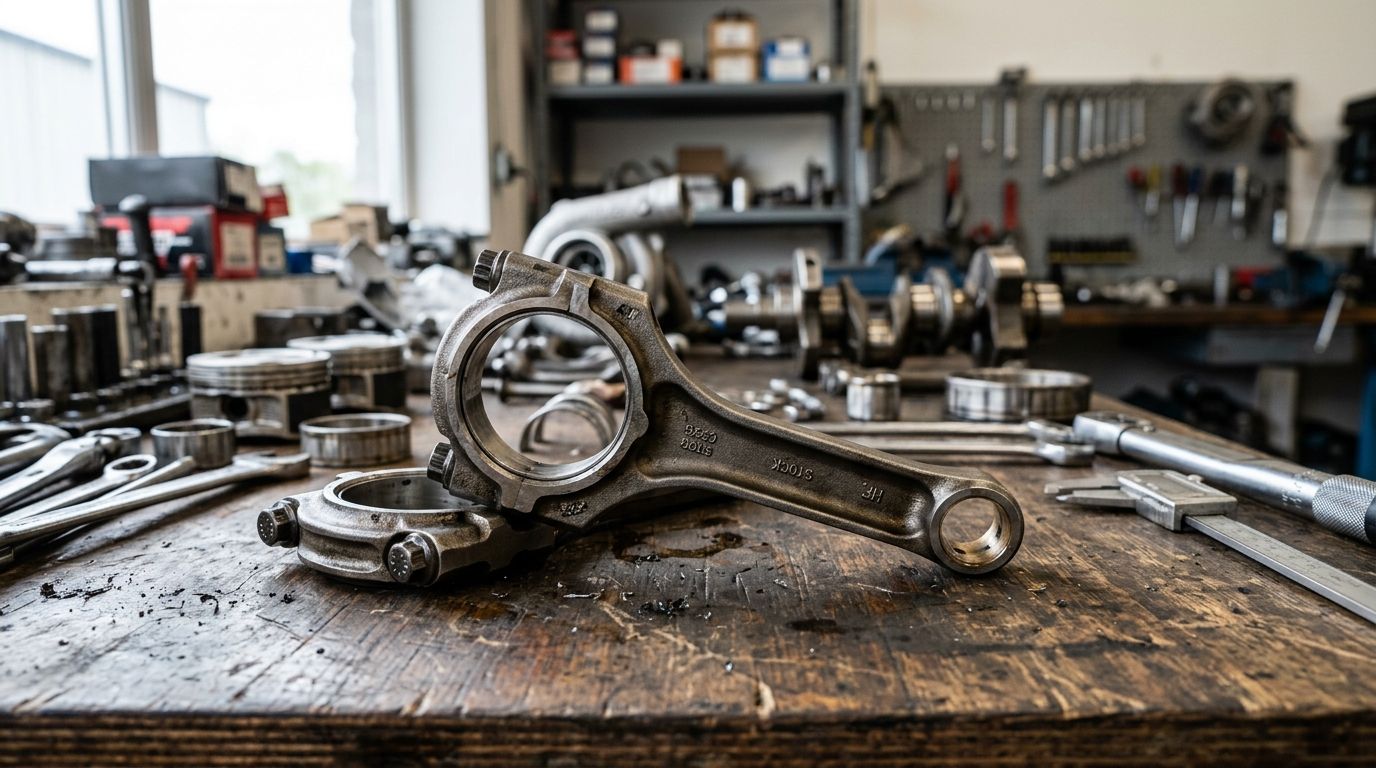
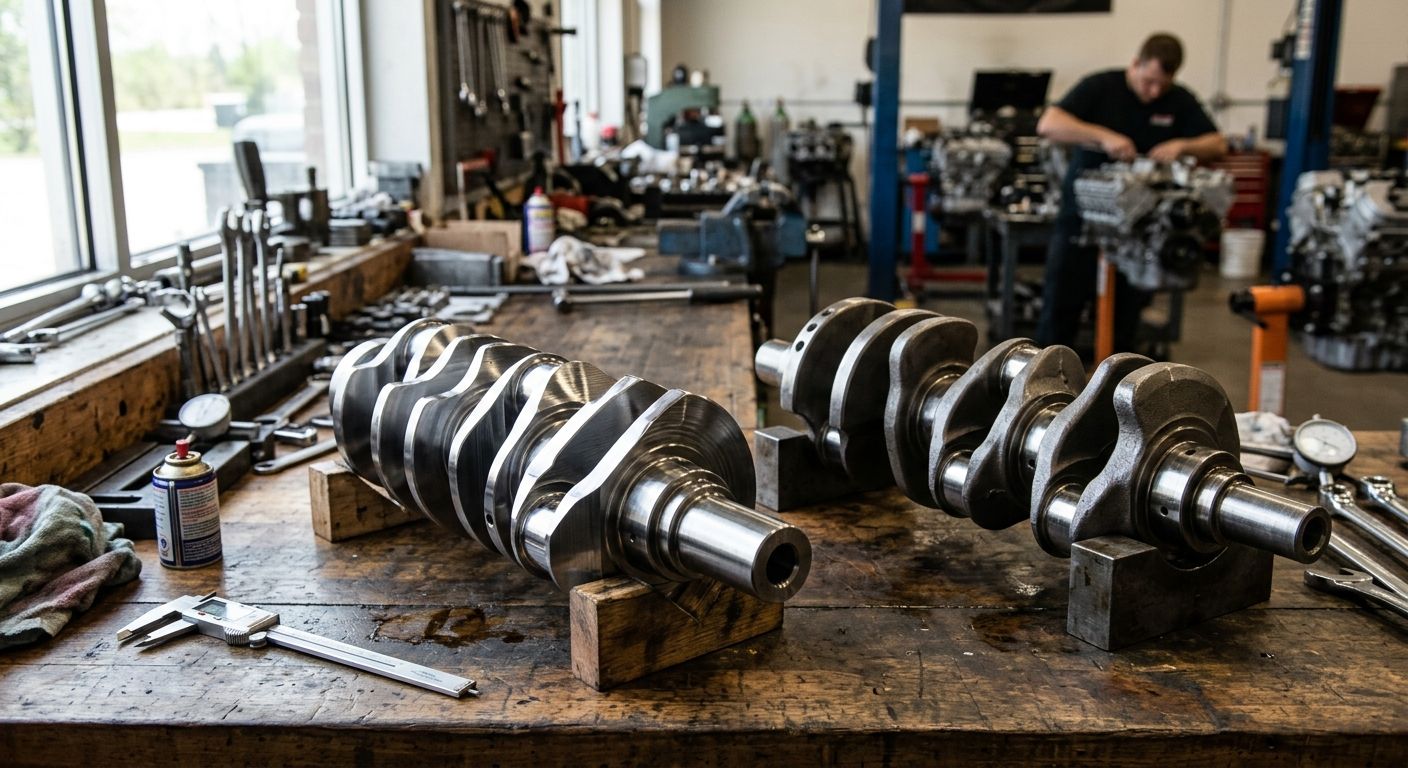
- Crank trigger kit compatibility — swapping to a Haltech-compatible trigger setup on an older platform can add machining or bracket work. See the crank trigger kit guide for Haltech ECU installs for compatible options.
- Auxiliary devices wired in — wideband controllers, boost solenoids, CAN keypads and dash displays each add wiring and configuration time.
- Dyno tuning scope — a base street map takes less dyno time than a full load and boost table calibration for a turbocharged build.
- Vehicle accessibility — engine bay layout and how much of the factory harness needs removing changes labour time on any platform.
Get Haltech tuning support
Scope the wiring and tuning side of your Haltech install before you buy.
Is a Haltech Elite 2500 worth it in 2026?
The Haltech Elite 2500 suits turbocharged six-cylinder and V8 builds running multiple auxiliary devices, and it's worth the outlay when the install already needs that channel count. On a simpler four-cylinder street build with fewer inputs to wire, a lower-channel Sprint series ECU often covers the same job for less wiring work.
Which Haltech ECU suits a turbocharged six-cylinder build?
ECU selection for a turbocharged six-cylinder build comes down to how many injector drivers, ignition outputs and CAN devices the combination needs — matching the ECU to the actual build spec avoids paying to wire in channels that never get used.
How long does a Haltech ECU install take?
Install time on a Haltech ECU depends almost entirely on harness type: a plug-and-play loom on a supported platform is a same-day connector swap, while a custom flying lead harness on an engine swap or race car takes considerably longer because every wire is run, labelled and terminated by hand before the ECU is even powered up.
Does Haltech ECU install cost include dyno tuning?
Dyno tuning is almost always quoted separately from the ECU install itself, since a base start-up map and a full load/boost calibration for a turbocharged combination represent very different amounts of dyno time.
FAQ
How much does it cost to install a Haltech ECU in 2026?
Haltech doesn't publish a fixed install price for 2026 — the total depends on harness type, crank trigger compatibility and dyno tuning scope rather than the ECU price alone.
Is a plug-and-play Haltech harness cheaper to install than a custom loom?
Yes, a plug-and-play harness on a factory-supported platform installs with less labour than a custom flying lead loom, because the connectors already match the vehicle's factory plugs.
Do I need a crank trigger kit for a Haltech ECU install?
Most Haltech installs need a compatible crank trigger setup, and older platforms sometimes require a trigger kit swap or bracket work before the ECU can read a reliable signal.
Is a Haltech Elite 2500 worth it in 2026?
The Haltech Elite 2500 suits builds running high channel counts and multiple auxiliary devices in 2026, but a lower-channel Sprint series ECU can cover a simpler build for less wiring work.
How long does a Haltech ECU install take?
A plug-and-play harness install is much faster than a custom flying lead loom, since a custom harness means every wire is run and terminated by hand.
Does Haltech ECU install cost include dyno tuning?
Dyno tuning is usually quoted separately from the install, because a base street map and a full boost table calibration take very different amounts of dyno time.
Which Haltech ECU suits a turbocharged six-cylinder build?
ECU choice for a turbocharged six-cylinder build depends on injector driver count, ignition outputs and how many CAN devices need wiring in, not just the model name.
Can a Haltech ECU control boost by gear or cut power for wheel spin?
Haltech ECUs support gear-based boost control and traction-related power cut strategies as configurable functions within the tune, not as separate hardware purchases.
One last thing
The install quote that looks expensive is usually the accurate one — a cheap Haltech ECU install quote on a non-standard platform often means the crank trigger compatibility and dyno tuning scope weren't priced in properly, and that gap shows up later as extra labour or a return trip to the dyno. Get the harness type and trigger kit confirmed before comparing quotes, not after.